Table of Contents
Most people think of post-surgical bruising as something that just happens — an inevitable side effect you wait out. But there’s a more useful way to think about it: bruising is your body signaling that it needs resources it may not have enough of. Understanding that connection is where recovery starts to get interesting. If you’re planning a procedure or already in the thick of recovery, the research behind supplements that actually help lessen bruising is worth understanding before you dismiss it as optional.
What’s Actually Happening Under the Skin
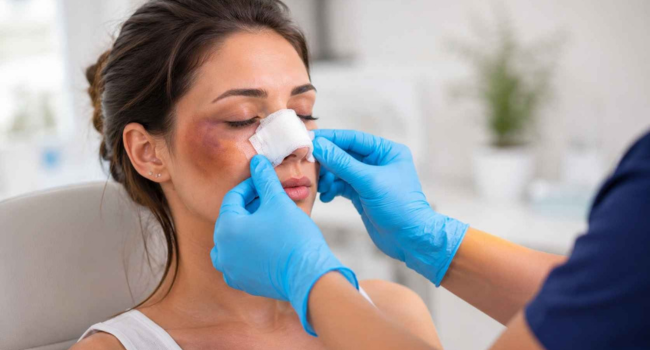
When surgery disrupts tissue, blood vessels break and release blood into surrounding areas. That pooled blood — not the procedure itself — is what creates the purple, blue, and yellow patchwork patients recognize post-op. Your body then has to mobilize its cleanup systems to process and clear that accumulation. How efficiently that happens depends heavily on what your body has to work with.
The inflammatory response that drives bruising is necessary. It’s how healing starts. The goal isn’t to suppress it entirely — it’s to support your body in moving through it efficiently, clearing fluid buildup and rebuilding tissue without getting stuck in a prolonged inflammatory state.
The Nutrient Gap Problem
Here’s what catches most patients off guard: surgical recovery dramatically increases your body’s nutritional demands at the exact moment your intake tends to drop. Nausea, anesthesia aftereffects, pain medications, and general fatigue all suppress appetite. Meanwhile, your body is running a 24/7 repair operation that needs protein, vitamin C, enzymes, and a functioning gut to absorb any of it.
Standard multivitamins aren’t designed for this situation. They’re formulated for everyday maintenance, not for the elevated demands of tissue repair. The dosages are calibrated for a normal metabolic baseline — not for a body working overtime to process surgical trauma and rebuild collagen architecture simultaneously.
Where Specific Nutrients Come In
Vitamin C is foundational to collagen synthesis — the process your body uses to structurally rebuild tissue after it’s been disrupted. Without adequate levels, the rebuilding slows. The challenge is that standard vitamin C forms can cause digestive upset at the doses that actually matter during recovery, which is why bioavailability matters as much as quantity.
Protein is the other headline player. Amino acids are literally the raw material your body uses for tissue repair, and getting enough from food is genuinely difficult when you’re not eating normally. Patients who under-eat protein during recovery often notice slower healing and more persistent bruising — not because of anything complicated, but because the inputs aren’t there.
Digestive support tends to surprise people. Surgical antibiotics and pain medications disrupt gut flora, which affects how well you absorb everything else you’re taking. Supporting your microbiome during recovery isn’t a wellness add-on — it’s a practical step toward making sure your other nutritional efforts actually work.
Proteolytic enzymes round out a smart approach by helping break down the inflammatory proteins that accumulate around damaged tissue and keep bruising visible longer than necessary.
Timing Is Part of the Strategy
One thing worth knowing: the pre-surgery window matters. Building up nutrient levels before your procedure means your body enters the OR with reserves rather than starting from zero. There’s also a category of supplements — fish oil, vitamin E, and certain herbal blends — that need to be stopped before surgery because they can impair clotting. What you take, and when, isn’t a detail to figure out in the days after.
For a full breakdown of which supplements to prevent bruising actually have evidence behind them, when to start them, what to avoid, and what realistic expectations look like week by week, Sulinu’s complete guide covers it in depth. The short version: nutrition isn’t a passive part of recovery. It’s one of the few variables you can actually control.