Table of Contents
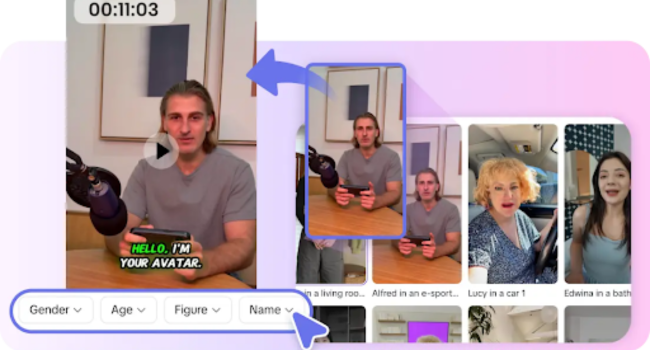
A quiet transformation is reshaping how brands and individuals present themselves online. The face that greets you in a tutorial, a product walkthrough, or a social ad is increasingly a digital persona rather than a person standing in front of a camera. These lifelike avatars can speak any script, appear in any setting, and produce content around the clock without a studio or a film crew. What began as a novelty has matured into a serious tool for anyone who needs a consistent on-screen presence at scale. Businesses that once struggled to produce video regularly can now generate a spokesperson on demand, while creators can maintain a recognizable identity across dozens of clips. This article examines the growing role of the internet avatar creator, why demand is accelerating across industries, and how to use this capability thoughtfully to build a presence that feels professional, consistent, and genuinely engaging.
Why Digital Presenters Are Moving Into the Mainstream
Video content has become the default language of the internet, but producing it consistently remains a bottleneck for most teams. Booking a presenter, arranging lighting, and reshooting for every small change costs time and money that few can spare at scale. Digital presenters remove that friction entirely. A single avatar can front an entire content library, deliver updates in multiple languages, and be revised in minutes when a message changes.
This convenience explains why the internet avatar creator has moved from experimental to essential. An internet avatar creator lets a small marketing team produce the volume of video that once required an agency, without sacrificing a consistent human touch. For global brands, the ability to have the same presenter speak naturally in several languages is especially powerful, turning what used to be a costly localization project into a routine task.
Consistency Across Every Piece of Content
One of the strongest arguments for digital presenters is reliability. A human presenter has good days and bad days, changes appearance over time, and cannot be in two places at once. An avatar delivers the same energy, tone, and look in every clip, which builds a stable brand identity that audiences learn to recognize. That consistency is difficult to achieve with traditional filming, where lighting and mood shift from one session to the next.
Consistency also lowers the cost of updates. When a product detail changes or a campaign needs a new angle, you simply adjust the script and regenerate the video rather than scheduling a full reshoot. This flexibility means your content can stay current without a proportional increase in production effort, which is a decisive advantage for fast-moving businesses.

Choosing and Shaping the Right Persona
An avatar is not just a face; it is the personality your audience associates with your message. Choosing the right persona deserves as much thought as any hiring decision, because this presenter will represent you across every video. The tone, appearance, and manner of speaking should align with your brand and resonate with the specific audience you want to reach. A calm, measured presenter suits professional services, while a warmer, more energetic style fits lifestyle content.
When shaping a persona for ongoing use, a few decisions carry the most weight:
- Match the presenter’s tone and appearance to your brand identity.
- Write scripts in a natural speaking voice rather than formal prose.
- Keep the same avatar across a series so viewers build familiarity.
- Adjust pacing and expression to fit the emotion of each message.
Getting these choices right early prevents a disjointed presence later. A persona that feels consistent and authentic becomes a genuine asset, one that audiences come to trust much as they would a familiar human host on a channel they follow.
Writing Scripts That Sound Human
The technology handles the visuals convincingly, but the words still come from you, and a stiff script undermines even the most lifelike avatar. Writing for the ear rather than the page is the single most important habit. Use contractions, shorter sentences, and a conversational rhythm that mirrors how people actually speak. Read every script aloud before generating the video to catch phrases that sound unnatural.
Emotional pacing matters too. A presenter that delivers every line at the same flat tempo feels robotic regardless of how realistic it looks. Marking where to slow down for emphasis or lift the energy for excitement gives the delivery a human cadence. This attention to the writing is what turns a technically impressive avatar into a presenter viewers genuinely enjoy watching.
Integrating Avatars Into a Broader Content Strategy
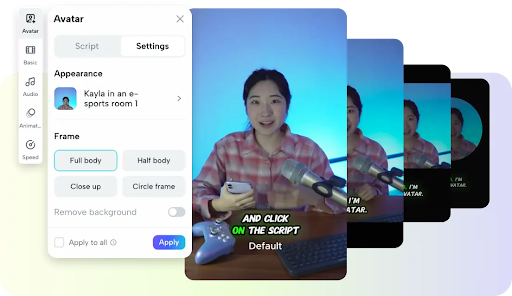
Digital presenters work best as part of a wider plan rather than a standalone gimmick. They excel at recurring formats such as product explainers, announcement videos, and educational series where a consistent host adds value. Using tools like Pippit AI, teams can slot avatar-led videos into the same workflow that produces their other content, keeping style and quality aligned across every format.
It is worth being transparent about the nature of your presenter when the context calls for it, since audiences respond well to honesty and increasingly recognize digital hosts anyway. Used openly and thoughtfully, avatars expand what a small team can produce without eroding trust, letting you scale your presence while keeping the human warmth that makes content connect.
Shaping a Consistent Digital Presence
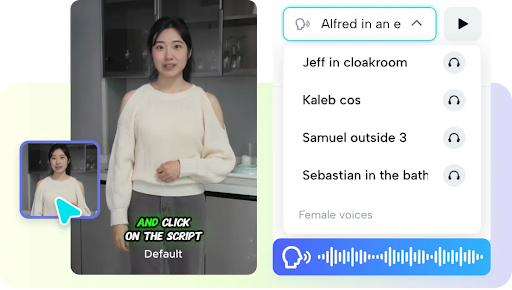
The move toward digital presenters reflects a broader reality: audiences want more video than most teams can traditionally produce, and the tools have finally caught up with that demand. A well-chosen avatar offers reliability, consistency, and scale that human production struggles to match, while freeing creators from the logistics of filming. Yet the technology alone does not guarantee success. The lasting value comes from thoughtful choices, selecting a persona that fits your brand, writing scripts that sound genuinely human, holding consistency across a series, and integrating the avatar into a coherent content strategy. When those elements come together, a digital presenter becomes far more than a convenience; it becomes a recognizable face that builds familiarity and trust over time. As this capability keeps maturing, the organizations that learn to use it with care will hold a real advantage in producing engaging video at a pace their competitors cannot easily follow.