
Table of Contents
Content marketing operations often face a significant bottleneck when it comes to producing high-quality visuals. While text generation and editorial processes have accelerated significantly, the creation of accompanying graphics, blog headers, and social media assets remains largely manual. Content teams frequently find themselves waiting on design resources or spending hours searching for the right stock photos. This disconnect between writing speed and visual production slows down the entire publishing cycle, reducing the frequency and relevance of campaigns.
Relying exclusively on traditional stock libraries or manual graphic design workflows introduces issues with both scalability and brand uniqueness. Stock images are often generic, while dedicated design time is too expensive for everyday blog posts. Building an automated visual generation layer directly into the content management system offers a scalable alternative. By routing structured text data to an endpoint such as the Image 2.5 API, development teams can enable programmatic generation of contextually relevant images, effectively eliminating the manual design bottleneck and keeping production schedules on track.


The Architecture of an Automated Visual Pipeline
To move away from manual image creation, organizations need a structured pipeline that connects their content data to a generative model. This architecture requires several distinct components working in sequence to ensure reliability and relevance.
First, a data extraction layer pulls the core context from the drafted text. This might involve identifying the primary topic, tone, and target audience of an article. Next, a prompt engineering layer translates this raw context into a highly specific set of instructions formatted for a machine-learning model.
Once the prompt is constructed, the integration layer handles the communication with the external generation service. Finally, a storage and review module captures the returned visual asset, attaches the appropriate metadata, and stages it for a final human review before publishing. Mapping these four stages allows technical teams to isolate failure points and optimize each step independently.
Structuring Dynamic Prompts for Consistent Output
One of the most common challenges in generative visual automation is output unpredictability. Without strict constraints, generative models may produce images that vary wildly in style, color palette, and composition. To solve this, developers must implement a dynamic prompt template rather than relying on raw user input.
A robust prompt template acts as a wrapper around the extracted article context. It establishes non-negotiable brand guidelines that apply to every generation request. For instance, the template might permanently append instructions defining a specific artistic medium, such as “flat vector illustration,” or dictate a restricted color palette that aligns with the company’s visual identity.
When the system generates a new image, it inserts the dynamic variables into this static wrapper. Establishing a comprehensive list of negative constraints is also crucial. Instructing the model on what to exclude—such as text overlays, photorealistic human faces, or cluttered backgrounds—significantly reduces unusable outputs. This structured approach forces the model to operate within a narrow, predictable corridor, yielding visuals that feel cohesive across hundreds of different articles.
Implementation and Endpoint Configuration
With the dynamic prompt assembled, the next step involves configuring the actual request to the generative service. This requires establishing a secure backend connection that can format the payload, handle the transmission, and process the incoming response without exposing API keys on the client side.
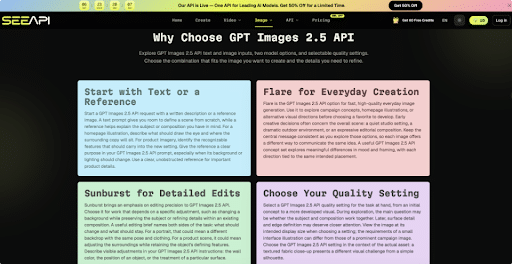
When structuring the JSON payload, developers must pass the optimized prompt alongside specific operational parameters, such as the desired aspect ratio and resolution. For example, when routing the request through the ChatGPT Images 2.5 API, the backend script must authenticate the session and submit the dynamically compiled instructions while defining whether the response should be returned as a base64 string or a temporary URL.
Handling the response format correctly is critical for system performance. A URL response is generally faster to receive but requires a secondary download step to permanently store the asset on the company’s own servers. Conversely, a base64 string includes the complete image data in the initial response, which increases the payload size but eliminates the need for subsequent network requests. Developers must choose the method that best aligns with their server capabilities and storage infrastructure.

Optimizing Asset Storage and Metadata Management
Generating the visual asset is only part of the technical workflow; storing and categorizing the file correctly is equally important for long-term content management. A high-volume publishing schedule can quickly produce thousands of image files, which will clutter the server if not handled programmatically.
When the automated pipeline receives a valid image from the generation endpoint, it should immediately process the file for web optimization. This involves compressing the image to reduce file size without sacrificing noticeable quality, and converting it into efficient formats like WebP to ensure fast page loading speeds.
Simultaneously, the backend system must automatically generate and attach relevant metadata to the image file. The original extracted context and the dynamic prompt variables should be converted into the image’s alt-text and description fields. This boosts on-page search engine optimization and ensures the visuals remain searchable and properly indexed.
Establishing Quality Control and Validation Protocols
Automation does not eliminate the need for quality control; it simply shifts the timing and method of validation. Because no generative model is flawless, implementing a staging environment is a necessary safeguard against publishing inappropriate or visually broken assets.
The validation process should begin with automated checks. A script can quickly verify that the returned file matches the requested dimensions, format, and file size constraints. If the service fails to return a valid image or times out, the system should automatically trigger a fallback mechanism, such as assigning a default branded placeholder or queuing a retry request with a simplified prompt.
Following the automated checks, a human-in-the-loop review stage remains highly recommended. The system should route the generated asset to a dashboard where an editor can approve, reject, or regenerate the image with a single click. This ensures that a human editor maintains final editorial control over the visual branding, preventing subtle contextual errors from reaching the live website.
Measuring Pipeline Efficiency and Operational Impact
After deploying an automated visual pipeline, teams must track specific metrics to determine its true operational impact. The most immediate indicator of success is the reduction in time-to-publish. By measuring the average duration between content drafting and final publication before and after implementation, teams can quantify the exact hours saved by eliminating manual design requests.
Cost per asset is another vital metric to monitor. Comparing the backend usage fees of the generative endpoints against the historical expenses of stock photo licenses and freelance design hours provides a clear view of the financial return on investment. Analyzing engagement metrics on the published articles also helps validate the quality of the new visuals.
Sustaining Automated Content Operations
Integrating visual generation into a content management system fundamentally changes how publishing teams operate. By shifting from manual creation to programmatic generation, organizations can match the speed of their visual output to their written output.
The success of this approach relies on strict pipeline architecture, carefully engineered prompt templates, and reliable backend integration. While the technology handles the execution, the strategic configuration remains a human responsibility. Teams must continuously refine their dynamic prompts, monitor endpoint performance, and maintain a streamlined review process. Ultimately, treating visual creation as an automated data workflow allows content teams to scale their production without sacrificing relevance or brand consistency.