Table of Contents
Most furnaces don’t quit without warning. They sputter, strain, and send signals long before they stop working altogether—and knowing how to read those signs can save you from a cold night and a costly emergency call.
A furnace that’s struggling doesn’t just affect your comfort. It affects your energy bills, your indoor air quality, and in some cases, your family’s safety. Carbon monoxide leaks, cracked heat exchangers, and overheating components are serious risks that tend to develop slowly—quietly building behind the scenes while you assume everything is fine.
That’s exactly why timely attention matters. NexAir Home Services specializes in diagnosing and resolving furnace problems before they escalate, helping homeowners across the region stay warm, safe, and worry-free all season long.
What Does a Struggling Furnace Actually Look Like?
Furnace problems rarely announce themselves dramatically. More often, they show up as small, easy-to-dismiss changes in how your home feels and functions.
Here are some of the most telling signs that something’s off:
- Uneven heating: Some rooms feel comfortable while others stay cold, even with the thermostat turned up.
- Unusual noises: Banging, rattling, or squealing when the furnace kicks on often point to loose components or motor issues.
- Short cycling: The furnace turns on and off too frequently without completing a full heating cycle.
- Increased energy bills: A spike in your heating costs—without a change in usage—usually means the system is working harder than it should.
- Yellow or flickering burner flame: A healthy furnace flame burns blue. Yellow or orange flames can signal a combustion issue, including potential carbon monoxide production.
Any one of these symptoms is worth taking seriously. When two or more appear together, it’s time to act.
Why Furnace Problems Get Worse When You Wait
Furnaces are mechanical systems. When one component fails or wears down, it puts additional stress on everything connected to it. A worn blower motor strains the electrical system. A clogged filter forces the heat exchanger to overheat. A failing ignitor leads to repeated startup failures that tax the entire unit.
The longer a problem goes unaddressed, the more expensive the eventual repair tends to be. What starts as a relatively simple fix—a faulty sensor, a dirty burner—can snowball into a full system replacement if ignored through an entire heating season.
Professional diagnosis catches these problems early, when repairs are simpler and less disruptive.
What Happens During a Professional Furnace Repair Visit?
When a NexAir Home Services technician arrives at your home, the process is thorough and transparent. There’s no guesswork—just a systematic evaluation of your system from top to bottom.
System Inspection and Diagnostics
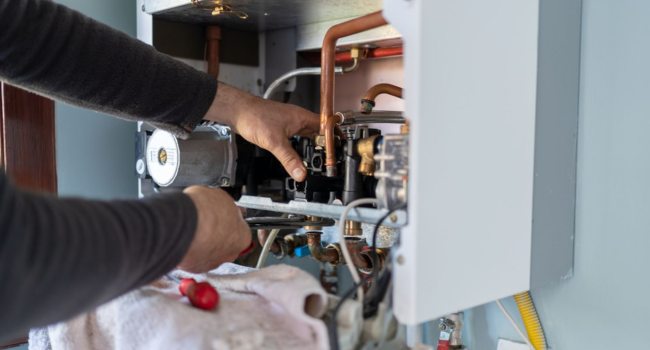
The technician starts by running a full diagnostic check, examining the heat exchanger, burners, ignition system, blower motor, and electrical connections. This step identifies both the immediate problem and any underlying issues that could cause trouble down the line.
Repair and Component Replacement
Once the issue is identified, repairs are carried out using quality parts matched to your specific furnace model. Whether it’s a faulty control board, a worn belt, or a malfunctioning gas valve, the goal is a precise fix—not a temporary patch.
Safety Testing
Before the visit wraps up, the system is tested for safe operation. This includes checking for carbon monoxide risks, verifying that airflow is correct, and confirming that the furnace cycles through properly from start to finish.
Honest Recommendations
If the furnace is aging or showing signs of broader wear, the technician will be upfront about what to expect. NexAir Home Services believes in giving homeowners the full picture so they can make informed decisions—not just the information that leads to the next billable job.
When Repairs Make Sense—and When Replacement Might Be Smarter
Not every furnace problem calls for a repair. Age, repair history, and efficiency all factor into the equation.
A general rule of thumb: if the repair cost exceeds 50% of the price of a new system, and the furnace is more than 15 years old, replacement often delivers better long-term value. Newer furnaces operate significantly more efficiently than models from a decade or two ago, meaning lower energy bills and fewer breakdowns over time.
That said, many furnaces—especially those that have been well-maintained—are absolutely worth repairing. A younger unit with a fixable issue should almost always be repaired rather than replaced.
A trusted technician can help you weigh the options honestly.
Keep the Cold Outside This Winter
Home comfort isn’t something most people think about until it disappears. A warm, reliable home is easy to take for granted—until the furnace goes quiet on a January night.
Furnace repair handled early and professionally by a skilled technician can extend your system’s lifespan, lower your monthly energy costs, and protect your household from safety risks that often go undetected. NexAir Home Services brings the expertise, the tools, and the commitment to get your heating system back to its best—quickly and without unnecessary stress.
Don’t wait for a full breakdown to take action. If your furnace has been showing any of the signs above, reach out to NexAir Home Services today. The sooner it’s addressed, the simpler and more affordable the solution tends to be.