Table of Contents
Most folks say getting to Everest Base Camp shows how tough you are, but what they actually remember feels much quieter. Not cheering or big emotions—instead, a soft peace moves in slowly, light and silent, almost like fog on your next exhale. High up beyond nearly everything else, within Sagarmatha National Park, silence finds its way without effort.
Somehow, stillness arrives only after effort. When muscles carry weight but hold firm, when thinking stays close instead of darting off—then snow begins to feel near, ice becomes present, silence wraps around, and wide emptiness moves in until it’s everywhere.
Slow down before you get there.
Let feelings settle on their own. Breathe into the moment instead of pushing through. Stay present once inside. Pause matters more than pace.
Peace often slips through fingers when chased too tightly. Many reach Base Camp dreaming of a powerful experience on the Everest Base Camp Trek. When nothing sparks at once, searching begins instead—yet trying only drives stillness farther off.
Instead:
- Most times, peace takes a while to arrive
- Do not force awe or excitement
- Do not compare your reaction to others
High above Lukla, emotions move slowly to settle in. When thoughts finally drift away, a hush steps forward instead. Stillness finishes what was left unsaid.
As exhaustion sets in, mental chatter begins to fade
Heavy steps come easily when the air thins above Everest. Every movement drags like pulling through deep water. Instead of pushing back, ease into the weight. Slowly, the mountain takes what it wants. Twice the effort often hides inside small tasks. When you quit resisting, stillness sometimes follows exhaustion.
When the body is tired in a steady, non-panicked way:
- Thinking slows down
- Internal pressure reduces
- Emotional reactions soften
Something shifts once thoughts start to fade, while motion continues—fingers moving, air filling lungs. Not stopping, just softer steps. The body follows a rhythm thought can’t reach. Quiet comes along for the ride, uninvited but welcome. It shows up in tasks completed without hurry. Effort slips into place when there is no pushing. A kind of ease appears, not because you grab it, but because you stop chasing.
Stillness stands fine alone.
High above, inside Sagarmtha National Park, noise slips away. Not a trace of traffic rumbles here, voices don’t hang in the air, and the city’s pulse disappears—only wind weaves through space, distant glacier shifts whisper now and then, and steps meet stone or sink gently into quiet snow below.
Stillness feels odd at first. But after letting go of resistance, a silence like drifting begins.
- Breathe deep. Here, now—make space. Let the moment take shape slowly
- Footsteps echo where silence falls.
- Stillness grows beneath each careful motion.
- Quiet moves fill spaces speech never reaches.
- Sound fades when walking becomes listening.
- Every shift of weight tells its own story
- Hold still. Quiet seeps in when you stop checking the time again and again
Just pause. See how things settle once you stop chasing thoughts. A quiet moment reveals its own rhythm. Stillness brings clarity without effort. Nothing tugs at awareness—just space opens up.
Open, quiet lives here, more full than empty. Given space, it calms rather than interrupts.
Slow your perception of time
Here, hours breathe slower. Each day unfolds a little more than the last. Seconds widen without warning. Shifting tasks feels like dawn touching ice—quiet, almost unnoticed.
A gesture moves close to what could shift things.
Slow down when shifting between tasks.
Time drags if there is nothing to do. The drink loses warmth while resting near your arm. Light creeps along the floorboards, caught by idle eyes. Each breath moves in its own slow rhythm, untouched by rush. Quiet builds where tiny habits unfold at a crawl
Things need time to calm down on their own first. Only after that makes sense can we move ahead elsewhere.
Just beyond Mount Everest, quiet arrives when time stops feeling like work. Minutes unfold rather than rush forward. Breathing settles into rhythm, pulled along by a gentle glide. Stillness spreads as movement softens.
Look up. What’s near you matters more than thoughts looping inside.
Out here, thinking slows because the mountain does not care for hurry. Breath comes sharp, clear—each gust a nudge toward quiet.
Start by moving attention away from:
- Thoughts → breath
- Planning → surroundings
- Right there, watching it unfold—nothing beats that. Guessing about causes? Not even close
Look at:
- Ice textures and glacier shapes
- Changing light on surrounding peaks
- Movement of wind across open terrain
Thoughts begin to drift away from sentences, turning toward shapes and light. When the eyes take over from talking, everything slows down. Seeing becomes sharper when sound fades into the background in the Everest Base Camp Trek. Images settle where phrases used to live. Not absence, but clarity—like glass just washed, letting vision pass through untouched.
Start calm. Not every moment needs intensity.
Stillness lives in certain pauses, a quiet kind of presence. These times rest without movement—peaceful, balanced, and untouched. Humming low under everything, silence fills what words leave open.
High above Lukla, emotions drift, much like air moving between rocks. When base camp appears, temperaments tend to settle—softer, more even, not so jagged.
Do not mistake neutrality for emptiness:
- Calm is not a lack of feeling
- Stillness is not the absence of experience
- Hidden beneath silence, peace shows up soft.
Weight gathers in hushes too light to name. When speech runs out, quiet fills the room instead. Calm sits close but rarely says its name. Stillness carries weight beyond happiness or hurt. Quiet moments may overflow without showing it.
When happiness shows up without trying, things feel steady.
Here, emptiness spreads out forever but somehow feels near.
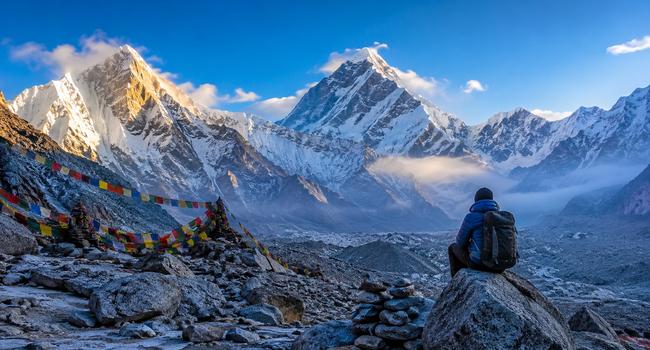
Under towering cliffs, Everest Base Camp rests. High stone faces climb until thinking slows. Such a scale leaves little room for words. Breathing changes, yes—yet thoughts do too, somehow lighter. Along the horizon, summits stand close, unmoving, as if listening. Ideas that mattered before now fade, slipping into cold gaps between ridges.
Instead of analyzing size or distance:
- Be still. Let your gaze settle without comparing. Notice what happens when you stop tracking progress. Rest there instead
- Let the landscape exist without labeling it
- Avoid trying to “understand” everything
Here inside Sagarmtha National Park, quiet finds you when thoughts about the vastness fade away. Rather than working it out, simply allow things to stand as they are.
Balance presence with gentle physical awareness
Here, fully, with nothing pulled back—that’s where peace lives. Not drifting off, but standing close. Quiet does not dull the senses. Instead, it lets attention grow clear.
- A soft presence, yet wide awake
- Your breath at altitude
- The cold air on your skin
- The ground beneath you
- Subtle fatigue in your body
Resting brings a halt to restless thinking. Peace isn’t imagined—it’s felt deep within the frame. Stillness arrives not as thought, but as weight in the limbs. The mind unclenches when the form sinks low. Quiet doesn’t whisper; it settles like dust after motion ends.
Wait until the now finishes before moving on.
Back at Base Camp, a few begin wondering about the return trip. Or what waits once they’re down. Thoughts like that pull away from this moment. The sharpness of cold breath thins. So do sore muscles, still woods—once the head races forward.
Instead:
- What comes next? Maybe leave that unwritten for now
- Stay open to what comes next, even when you first get there
- Just sitting still can matter. Sometimes doing nothing holds weight. Pausing has its own shape. Empty moments fill up space. Stillness carves out room. Waiting without reason counts too
Answers linger where silence takes root. Because of stillness, moments unfold without hurry. Time does not rush when left untouched.
Final thought
After effort fades, silence arrives without warning. Where force ends, calm moves in—slow, like mist weaving through rock. Quiet fills the space left behind.
Here, inside Sagarmatha National Park, Everest just rests without noise. When thinking stops grabbing hold, room appears by itself. Quiet enters—not after chasing it, but instead when release happens. The peak acts with stillness, although all around it, it finds balance. Where pushing fades out, silence spreads slowly.
Later, out of nowhere, the journey stops feeling like a task—it glides into step with you, quiet and unnoticed.
Read more on KulFiy