Table of Contents
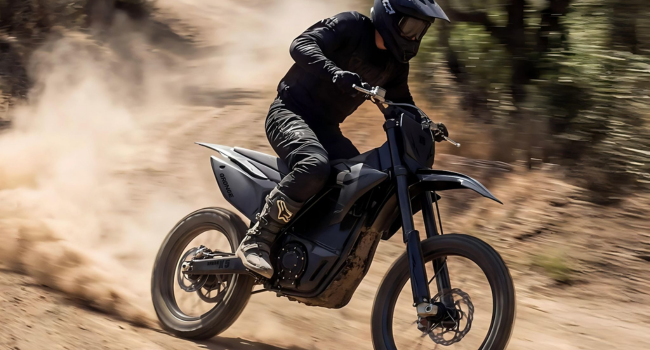
Outdoor riding is changing. For many years, off-road riding was mostly associated with gas motorcycles, mountain bikes, or all-terrain vehicles. Today, electric off-road bikes are becoming a more familiar option for riders who want a quieter, easier-to-manage, and more modern way to explore trails, camp roads, farms, and private land.
For most recreational riders, choosing an electric dirt bike is not about chasing speed. It is about finding a bike that feels stable, predictable, and enjoyable in real outdoor conditions. The better question is not simply “How fast can it go?” but “Can I control it confidently where I actually ride?”
Start With Where You Ride
Before comparing motors, batteries, or torque numbers, think about the riding environment. A wide dirt road near a campsite is very different from a narrow wooded trail. A flat farm path is different from a loose gravel hill. Your terrain should guide your buying decision.
If you ride mostly on open trails, camp roads, or private outdoor land, stable power delivery and reliable range matter. If you ride in tighter areas where you need to slow down, turn often, or move around obstacles, size and handling become just as important as power.
This is why compact electric off-road models are getting more attention. A smaller bike can feel less intimidating, especially for newer riders who are still learning how to balance throttle control, braking, body position, and terrain awareness.
Smooth Power Matters More Than Raw Numbers
One of the biggest differences between electric and gas-powered off-road machines is how the power is delivered. Electric models can respond quickly, but they can also feel smoother and easier to manage when designed well.
For beginners and casual trail riders, smooth power delivery is a major advantage. It helps reduce the nervous feeling that can come from sudden acceleration. Instead of fighting the bike, riders can focus on looking ahead, choosing better lines, braking earlier, and staying relaxed.
Stronger power still requires respect. A responsible rider should start in a lower riding mode, practice in an open area, and gradually build confidence before moving into more technical terrain. Good riding is not about using maximum output all the time. It is about using the right amount of power for the situation.
Electric Off-Road Riding Is Not Just About Speed
The term electric motorcycle is often used in a way that makes people think of performance first. But for real outdoor use, a good electric off-road bike should be judged by more than speed.
Can it climb steadily without feeling jumpy? Can the brakes slow the bike with confidence? Does the suspension help absorb bumps? Do the tires provide enough grip on loose ground? These details matter much more once the ride moves from a smooth surface to an actual trail.
A bike that is powerful but hard to control may not give riders a better experience. For many outdoor users, the best ride is the one that feels balanced, safe, and predictable.
Why Compact Models Make Sense for Many Riders
Compact electric off-road bikes are useful for riders who want to start with light trail riding, campground exploration, or outdoor recreation. They can be easier to handle, easier to practice on, and less tiring during short sessions.
The value of a smaller model is not that it is less serious. The value is that it can help riders build skills with more confidence. Starting smoothly, turning safely, stopping under control, and learning how the bike responds are all more important than simply having the biggest machine available.
For example, the X1 Spark M is a mini electric dirt bike with a 4500W peak mid-drive motor, a 60V 28.8Ah battery, 283 Nm of torque, and 150mm front / 75mm rear suspension, making it more relevant for riders who want compact handling and light off-road capability rather than a speed-only experience.
Range Should Be Judged Realistically
Range is one of the first things buyers compare, but it should be understood carefully. Real-world range can change based on rider weight, riding mode, terrain, temperature, speed, battery condition, and how often the rider accelerates hard.
A short campground ride may not require a large range buffer. A longer trail ride far from the parking area does. Riders should avoid planning a route based only on the maximum range number. It is smarter to leave extra battery capacity for the return trip, unexpected terrain, and slower technical sections.
A good battery setup gives riders more freedom, but good planning is still part of safe outdoor riding.
Suspension, Brakes, and Tires Deserve Attention
Outdoor riding is rarely perfectly smooth. Trails can include roots, gravel, sand, mud, uneven ground, and small drops. This is where suspension, brakes, and tires become important.
Suspension helps reduce harsh impacts and keeps the ride more controlled. Brakes help manage speed before turns, descents, and obstacles. Tires affect grip, especially on loose or soft surfaces. These parts may not sound as exciting as motor power, but they often decide how safe and comfortable the ride feels.
When comparing bikes, do not focus only on peak output. Look at the whole setup. A balanced bike is usually more useful than a bike with one impressive number and weak supporting components.
Safety Gear Is Part of the Ride
No rider should treat safety gear as optional. A helmet, gloves, knee protection, elbow protection, eye protection, and proper riding shoes can make a major difference, even during casual outdoor riding.
New riders should practice in a wide, flat, open area before entering trails. They should check brakes, tire pressure, battery charge, chain condition, bolts, and throttle response before each ride. If a younger or less experienced rider is using the bike, adult supervision and lower riding modes are strongly recommended.
Electric off-road riding can be fun and relaxing, but it still requires judgment. Respect the bike, respect the terrain, and ride within your ability.
Choose a Brand That Shows Clear Information
A useful product page should give buyers more than slogans. It should clearly show battery size, motor type, torque, range, wheel size, suspension, braking system, load capacity, and riding modes. These details help buyers understand whether the bike fits their real riding needs.
Brands such as qronge are part of this newer electric off-road market where riders often compare technical details before making a decision. When information is easy to find, customers can make smarter choices instead of relying only on marketing claims.
It is also worth checking warranty details, shipping information, setup guidance, and after-sales support. For electric off-road bikes, the ownership experience does not end at checkout.
The Best Bike Is the One That Fits Your Ride
There is no single perfect electric off-road bike for every rider. Some people need more power. Others need easier handling. Some want a bike for light trail fun near a campsite, while others want longer outdoor rides across private land or open dirt paths.
The best buying approach is simple: define your riding environment, be honest about your experience level, and compare the full bike instead of one headline number. Power, range, suspension, tires, brakes, size, and safety support should all work together.
Electric off-road bikes are not just about going faster. They can make outdoor riding quieter, more accessible, and more controlled. With the right bike, the right place to ride, and the right safety habits, every ride can feel more confident and more connected to the outdoors.