Table of Contents
Cold drinks sound simple until you try to keep hundreds of them at the right temperature, all day, in a busy kitchen. That is where commercial beverage coolers earn their place. The right cooling equipment protects product quality, cuts energy bills, and keeps stock ready for service. Choosing it badly does the opposite. This guide explains how modern refrigeration manufacturers improve beverage storage and commercial cooling, what separates good equipment from average equipment, and where the technology is heading. Whether you run a café or stock a home bar, the same principles apply.
Why Refrigeration Technology Continues to Evolve
Older refrigeration ran on a basic idea: keep things cold and hope the compressor lasts. That approach falls apart once energy costs rise and food safety rules tighten.
Three pressures push the industry forward:
- Energy efficiency. Compressors, insulation, and fan design now target lower power draw. Energy Star ratings help buyers compare real consumption instead of marketing claims.
- Smart cooling. Sensors hold tighter temperature bands, which matters more for sensitive stock than raw cooling power.
- Commercial demand. Restaurants, hotels, and retail need units that run nonstop without drifting out of range.
Food safety ties it all together. A cooler that swings a few degrees during peak hours puts both product and compliance at risk. Modern designs fix that drift first.
Beverage Coolers and Wine Coolers Serve Different Purposes
People often treat a beverage cooler and a wine cooler as the same appliance. They are not, and using one for the other usually disappoints.
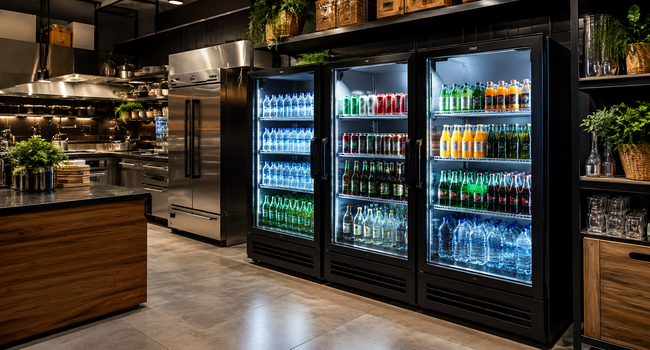
A beverage cooler is built for volume and quick access. It chills sodas, water, beer, and mixers to a cold, consistent serving temperature, often around 35–40°F. Frequent door openings are expected, so the cooling system recovers fast.
A wine cooler is built for preservation, not just cold. Wine needs steadier, warmer temperatures and controlled humidity so corks do not dry out, which is why a commercial cool room sydney can provide suitable storage conditions.
The core differences:
- Temperature range. Beverages want colder settings. Wine wants a stable, moderate band.
- Humidity management. Wine coolers hold moisture; beverage coolers do not need to.
- Vibration and light control. Wine storage protects against both. Beverage storage rarely bothers.
Match the unit to the contents. That single decision prevents most disappointment.
Why Commercial Refrigeration Matters Across Multiple Industries
Commercial refrigeration is easy to overlook until a unit fails during a Friday dinner rush. Then its importance becomes obvious fast.
The equipment supports far more than kitchens:
- Restaurants and commercial kitchens rely on it for ingredient safety and fast service.
- Hotels use it across minibars, banquet prep, and lobby bars.
- Cafés need quiet, reliable units that hold drinks and dairy at steady temperatures.
- Retail depends on display coolers that sell product while keeping it cold.
- Healthcare facilities and laboratories need medical refrigerators with tight tolerances for samples, vaccines, and medication.
Across all of these, the cold chain is the connecting thread. Every link, from storage to display, has to hold temperature or the whole chain weakens. That is why industrial refrigeration standards keep climbing.
What to Look for When Choosing Beverage Cooling Equipment
A cooler can look great in a showroom and still struggle in daily use. The showroom rarely tests what production demands.
Check these before you buy:
- Cooling performance. Look at temperature stability and recovery speed after the door opens, not just the lowest setting.
- Capacity. Match shelf layout and volume to your real stock, not the headline liter count.
- Durability. Compressor quality, hinge design, and door seals decide how long the unit lasts.
- Energy efficiency. Compare verified ratings to estimate running cost over years, not weeks.
- Certifications. Look for recognized safety and food safety standards relevant to your region.
- After-sales support. Parts availability and warranty terms matter more than any spec sheet.
Reviewing established beverage cooler manufacturers against these criteria gives you a clearer picture than price alone. The cheapest unit often costs the most once repairs and energy add up. Not all beverage cooler manufacturers publish verified energy data or offer clear warranty terms, so push for both before committing. The best beverage cooler manufacturers back their products with documented certifications and accessible after-sales support. That transparency is usually the clearest signal that a supplier will still be reachable once your unit needs service.
How Manufacturers Like Sunnai Support Modern Refrigeration Needs
Plenty of suppliers sell a single product line and call it a catalog. That narrows your options once your needs span more than one use case.
Sunnai (CNSUNNAI) takes a broader approach. The company manufactures a range of cooling equipment, including:
- Wine coolers built for steady temperature and humidity control.
- Beverage coolers designed for high-volume serving and frequent access.
- Medical refrigerators made for the tight tolerances healthcare and laboratory storage require.
- Commercial refrigeration equipment for kitchens, retail, and hospitality settings.
Its solutions show up across hospitality, healthcare, food service, and general commercial environments. The value here is not a single feature. It is manufacturing depth, consistent quality control, and product versatility that lets one supplier cover several different cooling problems. For buyers managing mixed needs, that breadth reduces the headache of sourcing from many vendors.
How Smart Refrigeration Benefits Homes and Businesses
Smart features sound like marketing until you see the running costs and spoilage they prevent. The benefits are concrete, not decorative.
What smart refrigeration actually delivers:
- Reduced energy consumption. Adaptive compressors and sensors run only as hard as needed.
- Better temperature consistency. Tighter control protects both food preservation and beverage quality.
- Less spoilage. Stable temperatures extend shelf life and cut waste.
- Operational efficiency. Alerts warn staff before a unit drifts out of range, so you fix problems before stock is lost.
For homes, this means a wine cooler that holds its setting and a kitchen appliance that costs less to run. For businesses, it means fewer surprises during service and lower overhead across the year.
Future Trends in Refrigeration Manufacturing
Today’s reliable unit can fall behind quickly as standards shift. A few clear trends are shaping what comes next.
Watch these developments:
- IoT monitoring. Connected sensors track temperature remotely and log data for compliance.
- Eco-friendly refrigerants. Lower-impact refrigerants are replacing older, higher-emission options.
- Sustainable manufacturing. Makers are cutting material waste and energy use in production itself.
- AI-assisted temperature management. Systems predict load changes and adjust cooling before drift happens.
- Smart controls. Simpler interfaces give operators precise settings without guesswork.
None of these are far-off ideas. They are already appearing in commercial and hospitality refrigeration lines, and they will define buying decisions over the next few years.
Conclusion
The market for commercial beverage coolers has moved well past basic cold storage. Energy efficiency, tight temperature control, and broad product ranges now decide which equipment holds up in real use. The right choice protects your stock, lowers running costs, and keeps service running without surprises. Whether you need a wine cooler at home, beverage coolers for a busy bar, or medical refrigerators for a clinic, match the equipment to the job and check it against clear criteria. As IoT, cleaner refrigerants, and AI-assisted control mature, refrigeration will keep getting smarter, cleaner, and more dependable for both homes and businesses.
Read more on KulFiy