Table of Contents
3D printed shoes have moved past the novelty stage, and Nexbie 3D printed shoes are one of the more established names in that shift. Instead of a single flagship product, the brand has created a full line-up, including sneakers, casual slip-ons, and slippers, all made using the same core manufacturing approach. So here’s what Nexbie actually does differently, where it shines, where it doesn’t, and whether it’s worth trying for yourself.
What Is Nexbie?
Nexbie is not a fashion label that has entered the 3D printing game as a marketing angle. It’s built on the engineering foundation of Creality, one of the bigger names in the 3D printing industry, and takes that background straight to footwear manufacturing.
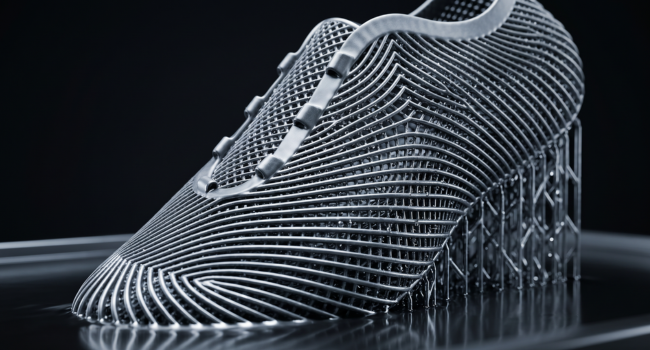
Nexbie’s process is built around a technology called HALS, or low-release separation technology, that uses a dynamic light field to cure an entire shoe in a single pass, rather than building it up layer by layer like most 3D printed objects. That one difference is reflected in the numbers:
- Print Speed: Conventional layer-by-layer techniques (e.g., FDM) require 72+ hours/pair. HALS brings this down to approx. 2 hours per pair, including post-processing.
- Surface Finish: Layer-printed shoes typically have 50-100 microns of surface roughness, with visible ridges. HALS has 10 micron roughness, similar to injection-molded parts, and does not have visible layer lines.
- Material Strength: The standard TPU material used in most 3D printed shoes can tolerate around 50,000 flex cycles before experiencing a significant drop in performance. Nexbie’s polyurethane-urea can withstand 100,000 cycles and still retain more than 90% of its properties.
- Production Scale: A normal small-scale 3D printing setup might print 1,000-2,000 pairs a month. Nexbie’s process is validated at 300,000 pairs per month.
Pros of Nexbie 3D Printed Shoes
Here are the pros of Nexbie 3D printed shoes:
- Genuine breathability: The open lattice structure isn’t decorative. It’s an actual airflow network, boosting air circulation efficiency by more than 80% compared to solid, foam-based shoes.
- No glued seams to fail: Because the shoe is printed as one connected piece, there’s no bonded joint between the sole and upper, which is usually the first place traditional shoes break down.
- Stronger, longer-lasting material: The polyurethane-urea used across the lineup tests at around 20 N/mm tear strength and 250% elongation at break, ahead of the 12-18 N/mm typical of most sports and leather shoes.
- More sustainable manufacturing: Nexbie’s material is roughly 53% bio-based, well above the roughly 20% industry average, with close to full material utilization and no leftover inventory from unsold stock.
- Certified, not just claimed: Every pair carries EU REACH and US CP65 certification, meaning the materials have been checked against regulated chemical safety standards rather than just labeled “non-toxic.”
- Low maintenance. Most of the lineup is machine washable and easy to clean.
Cons of Nexbie 3D Printed Shoes
- Fit feels different at first: Since there’s no foam to compress and break in over time, the adaptive lattice fit takes some getting used to.
- The style range is still narrow: The lineup leans casual and athletic. If you need dress shoes or boots, this isn’t the brand for it yet.
- A newer name in footwear: Nexbie doesn’t have the decades of brand history that come with legacy sneaker companies, which matters to some buyers even when the engineering behind it is solid.
Nexbie’s Shoe Lineup at a Glance
- Aeroraise: A sporty sneaker with a full ventilation design and elastic lattice heel rated at 76A hardness and tested to SATRA TM156:2002 for rebound and support.
- Aeriscape: An everyday casual sneaker for city walking and travel, with the same 360° airflow structure and a hydrophobic coating for quick drying.
- Leisure Path: A slip-on without laces for easy everyday wear, with the same breathable lattice heel as Aeroraise.
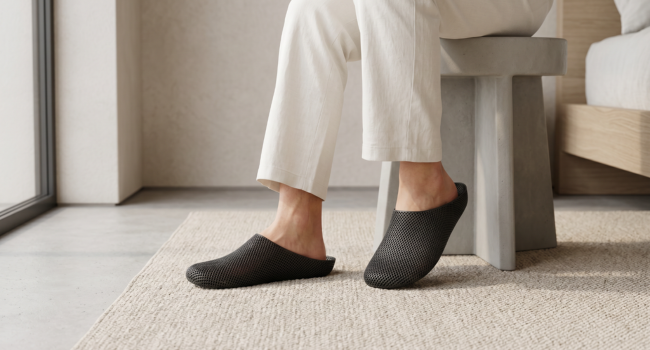
- AeroCloud: A one-piece slipper to keep you cool indoors.
- Cloud 3D Printed Slippers: Portable and travel-ready, this 80% open lattice slipper boasts antimicrobial odor control and a quick-dry, sand-release build for beach or poolside.
Is Nexbie worth it?
Yes, for most people, with realistic expectations. Nexbie isn’t trying to be a dress shoe brand or to compete on decades of heritage. What it’s actually doing is solving specific issues with traditional footwear—sweaty feet, glued joints that fail, and chemical-heavy construction.
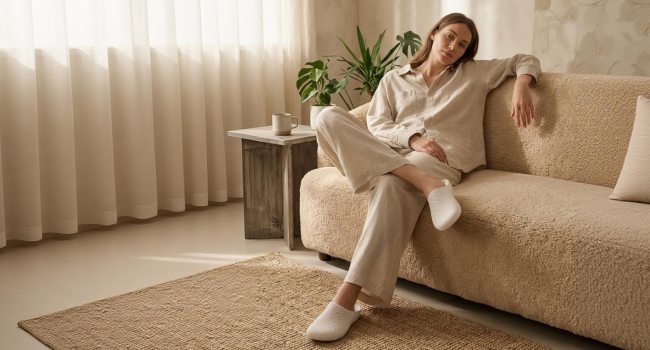
(Alt text: Nexbie 3D Printed Slippers)
Final Thoughts
The essence of Nexbie’s argument is that the decision to manufacture revolves around printing an entire shoe in one pass, backed by an engineering pedigree from Creality rather than a fashion-first approach. That shows up in faster production, a genuinely stronger material, and shoes that breathe and hold their shape better than most everyday sneakers. The tradeoffs include fit adjustment, limited style range, and less-than-ideal performance in heavy rain. But for anyone dealing with hot, sweaty, or fast-wearing shoes, Nexbie’s lineup is a legitimate alternative worth trying.